
Temporomandibular Joint Dysfunction

Temporomandibular Joint Dysfunction (TMD) can arise from a combination of factors, physiotherapy helps by looking at the whole picture throughout your treatment and recovery.
Based in Hope, we provide friendly, personalised physiotherapy for people who are suffering from this condition across a larger catchment area. We see patients from Sheffield, Rotherham, Nottingham, Leeds, Macclesfield, Stockport and Manchester.
Whether you’ve ben referred to us through your Dentist, GP or are self referring with mild to moderate symptoms, we’re here to help.
CSP & HCPC registered physiotherapist
•
25+ years experience
•
Based in Hope
•
Personalised care
•
CSP & HCPC registered physiotherapist • 25+ years experience • Based in Hope • Personalised care •
What is Temporomandibular Joint Dysfunction (TMD)?
Temporomandibular joint (TMJ) issues often develop from things like teeth grinding, stress-related tension, posture habits, arthritis, or previous injury. Physiotherapy helps by looking at the whole picture — not just the jaw itself, but also the neck, shoulders and the way you move throughout the day. This allows your therapist to understand what’s contributing to your symptoms and tailor treatment to your specific needs.
-
Temporomandibular joint (TMJ) is one of the most common musculoskeletal disorders, often involving both joint mechanics and muscle tensions. This condition can affect up to 30% of adults at some point through their life and, interestingly, is more likely to affect women at a ratio of 10:1.
-
This dysfunction can arise from a combination of physical, behavioural and lifestyle factors, such as muscle tension/imbalance, poor posture, arthritis, previous trauma, clenching or grinding the teeth, overuse (such as nail biting or chewing gum), stress-related behaviours, poor sleep, long hours at a screen or low physical activity could contribute to developing the condition.
Whilst not considered serious, Temporomandibular Dysfunction (TMD) can affect a patient’s quality of life, impacting their comfort, eating habits, speaking, sleeping and daily life.
-
Physiotherapy for the temporomandibular joint (TMJ) is a gentle, effective way to ease jaw pain, reduce tension and improve how your jaw moves day to day. The TMJ plays a huge role in talking, eating and even breathing, so when it becomes stiff, painful or overworked, it can have a big impact on comfort and quality of life. TMJ physiotherapy focuses on calming irritated tissues, improving mobility and helping the surrounding muscles and fascia to work in a more balanced, relaxed way.
HOW TMD SYMPTOMS CAN PHYSIOTHERAPY HELP WITH
JAW PAIN
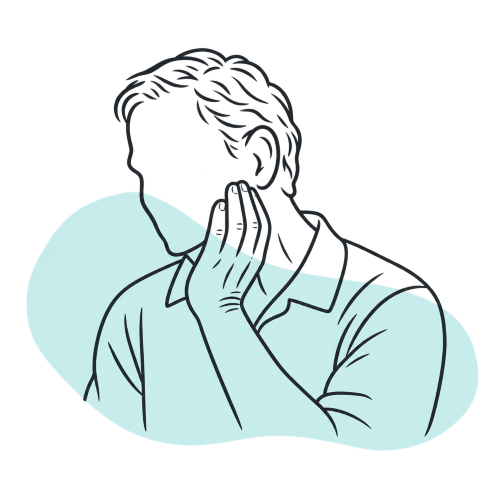
BACK & NECK PAIN
HEADACHES

POSTURE
WHAT TO EXPECT

What does a physiotherapy session for Temporomandibular Dysfunction (TMD) look like?
A typical session will include a full assessment looking at the face, inside the mouth and the rest of the body. Movement of the jaw, neck and tongue will be assessed. Your therapist may use gentle manual techniques, ultrasound or acupuncture to reduce tightness in the jaw muscles, improve joint movement and ease discomfort. Soft-tissue release around the face, neck and shoulders often helps relieve pressure and restore balance. You may also be guided through simple exercises to improve jaw control, reduce clenching habits and support healthier movement patterns.
OTHER TREATMENTS TO SUPPORT YOUR RECOVERY
Alongside manual therapy, our physiotherapists are trained in acupuncture, ultrasound and shockwave therapy to compliment your treatment.
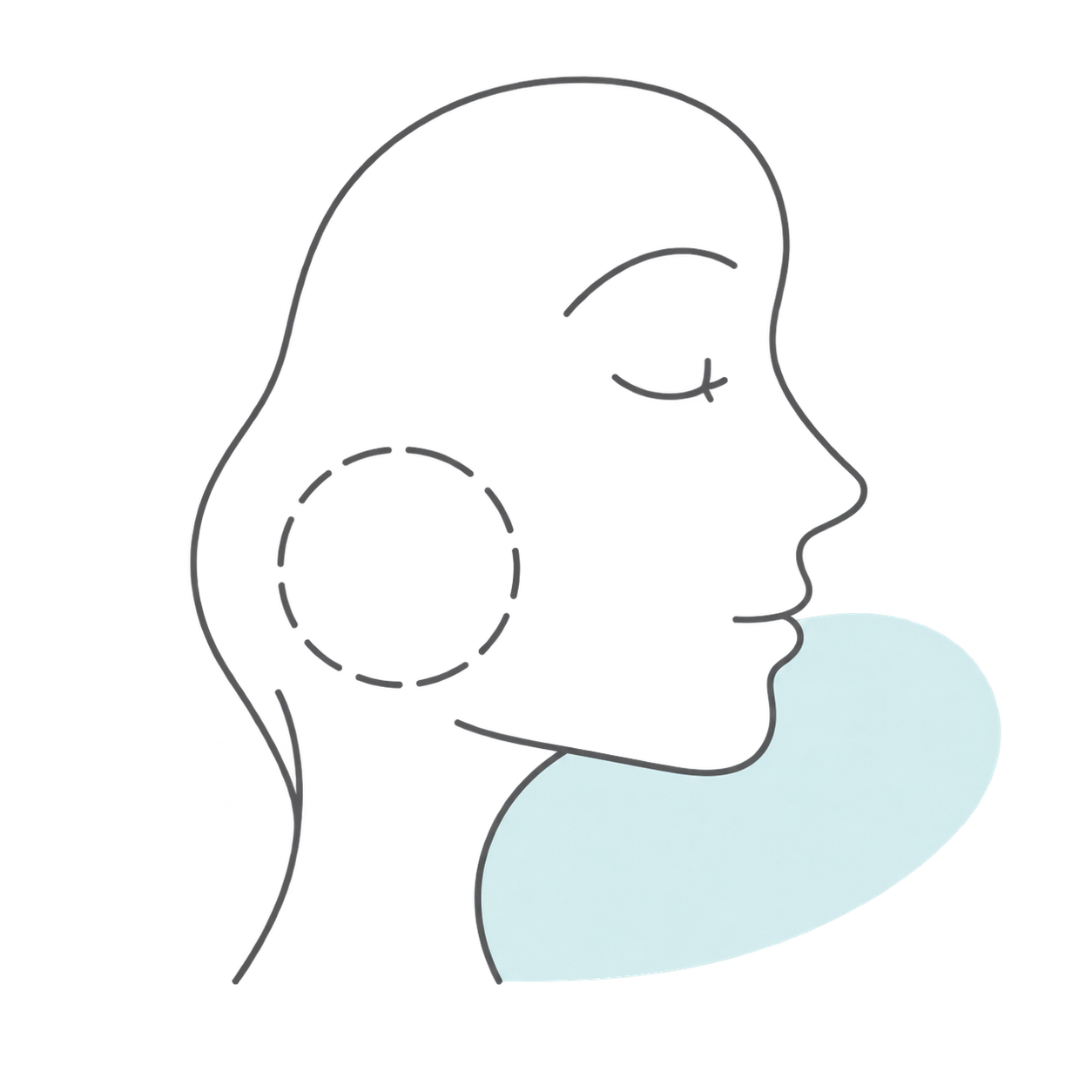
Is physiotherapy right for my Temporomandibular Joint Dysfunction (TMD)?
TMJ physiotherapy is suitable for anyone experiencing jaw pain, clicking, locking, headaches, facial tension or discomfort when eating or talking. Many people notice meaningful changes within a few sessions, especially when treatment is combined with personalised exercises and lifestyle advice.
Patients can either self-refer or are sometimes referred to Georgina through their GP or dentist.
We offer a free 10 minute chat with one of our team to see if physiotherapy is right for you, discuss your issue and to find out how we can support your recovery.

WHAT OUR PATIENTS SAY
★★★★★
“I can’t recommend Georgina at Bank on Movement highly enough! She has been helping me with my ongoing TMJ disorder, and I’m so grateful for all the care, support and expertise she has shown me throughout my treatment. Georgina is absolutely brilliant—professional, welcoming and genuinely caring. She makes me feel comfortable and listened to, and I always feel that I’m in the best hands. Her knowledge and dedication have made such a positive difference to my experience. I really appreciate everything Georgina has done for me, and I’m so thankful to have found such a wonderful physiotherapist and clinic. Bank on Movement is a fantastic place, and I would highly recommend Georgina to anyone looking for a caring and professional physiotherapist.”
NS, 38, Hathersage
Physiotherapy prices
If you’re not sure which appointment you need, get in touch to arrange a free 10-minute chat with one of our team and we’ll be happy to advise you.
1 Hour Initial Assessment (including treatment)
£75
30 Minute Initial Assessment (assessment only)
£55
1 Hour Follow Up appointment
£90
3x 1 Hour Follow Up Appointments (Pack)
£250
30 Minute Follow Up Appointment
£55
3× 30 Minutes Follow Up Appointments (Pack)
£156
Frequently asked questions
Got a question? We’ve answered some of the things we’re most often asked below. If you can’t find the answer you need here, please get in touch and we’d be happy to help.
-
Not all patients are referred through to us by their GP or Dentist and everyone is more than welcome to book in with us if they have any concerns relating to an injury or condition that they think we will be able to help with.
If you’re not sure whether a physiotherapy session is relevant for you, we are able to offer potential patients a free 10 minute phone-based appointment with our experienced physiotherapists to discuss your injury. To book in with us call our friendly reception team on 01433 623 602 or click on ‘Book Appointment’ at the top of this page.
-
Education is a big part of TMD physiotherapy too. You’ll learn practical strategies to manage symptoms at home — such as relaxation techniques, posture adjustments, heat therapy and small daily habits that make a big difference. These tools help you feel more in control and support long-term improvement.Research has shown that a multi-disciplinary approach is best to address TMJ management so we work alongside Dentists, maxillofacial surgeons, GP’s and other therapists to fully address the issue.
-
Most cases are not serious and improve on their own. However, untreated or severe cases can lead to complications such as difficulty chewing, chronic pain, headaches, and sleep problems.
-
Yes. TMD can cause sleep disturbance and is associated with anxiety, depression, and chronic pain.
-
Upon arrival at the clinic for your initial assessment, you will be able to wait in our small, cosy waiting area (situated to the right when you follow the corridor into the clinic). We have water and tea/coffee available in reception and once your physiotherapist is available, they will approach the waiting area and take you through to one of our Treatment Rooms.
Here you will be able to discuss your injury and/or concerns with your physiotherapist in depth who will then put together a treatment plan with you. If you have booked an hour initial assessment (in relation to TMJ issues) your head, neck and mouth as well as your overall posture with be assessed.
Your physiotherapist will begin with a treatment session towards the second half of your appointment.
When you have finished your treatment, your physiotherapist will direct you through to reception where our friendly reception team will book you in for your next session (if necessary) and, if you’re a private patient, take payment.
If appropriate, your physiotherapist will either print off or email through exercises for you to follow between your sessions. If you have any questions or queries in between your sessions you are welcome to call us on 01433 623 602, our Team would be more than happy to help you in any way that they can.

Your next move starts here
Whether you're recovering from an injury, struggling with an ongoing problem or simply want to feel more comfortable and confident in your body, we're here to help.
READY TO GET STARTED
Not sure which treatment is right for you? Get in touch to arrange a free 10-minute chat.